Dinner Party Radio: Setting the Mood Without a Playlist
Updated

Good dinner party music is mostly invisible. Its job is to make the room feel considered without ever demanding a moment of the evening. The worst outcome isn't silence — it's music that makes a guest stop mid-sentence to ask what they're listening to, or worse, a sudden awkward track that nobody can pretend not to notice. The best dinner party radio holds a consistent mood for hours, fills the lulls without crowding the conversation, and requires nothing from you once it's on. On 72FM, 72FM Lounge and French Café are the two strongest starting points for an evening of this quality.
The problem with the dinner party playlist
Most people who host create a playlist the afternoon before dinner and feel quietly anxious about it for the rest of the day. They try to calibrate it for tone, duration, who's coming, what's being served. They worry about the moment the playlist ends. They think about whether the last two tracks were too slow, or whether that one song was the wrong choice.
All of this is effort directed at the wrong problem. A well-chosen radio station handles all of it automatically: it doesn't end, it doesn't require calibration, it plays across multiple moods within a consistent energy band, and it doesn't put your musical taste personally on the line in the same way a curated playlist does.
There is a second advantage that's less often discussed: radio sounds impersonal in the best sense. Your playlist says I chose this for you; radio says this is the room. Guests can be inside the evening rather than inside your listening history.
The dinner party arc
An evening with guests has a natural shape, and the music should follow it loosely.
Before guests arrive. This is the moment that sets the room's register before anyone enters. Something unhurried and warm: lounge jazz, bossa nova, French chanson. The music you're putting on is partly for yourself — it brings down the residual kitchen stress, sets the tone you want to hold for the next four hours.
Arrival and pre-dinner drinks. The music needs to be present but not demanding. It should provide a soft sound floor that makes arriving more relaxed and gives guests something to orient to while everyone is still finding their footing. Upbeat enough to feel welcoming; not so high-energy that conversation has to compete.
During dinner. This is the trickiest phase. The music needs to be genuinely in the background — quiet enough that nobody raises their voice to talk across it, varied enough that it doesn't feel like the same track looping. The volume question is the most important thing: quieter than feels natural. If a guest mentions the music, it's probably too loud.
Post-dinner, lingering. As the evening loosens and guests stop watching the clock, the music can become slightly more present. A station that drifts toward something warmer and more contemporary — slower jazz, laid-back soul, late-night electronic — complements the later hours. By this point, the conversation carries itself; the music is mood, not structure.
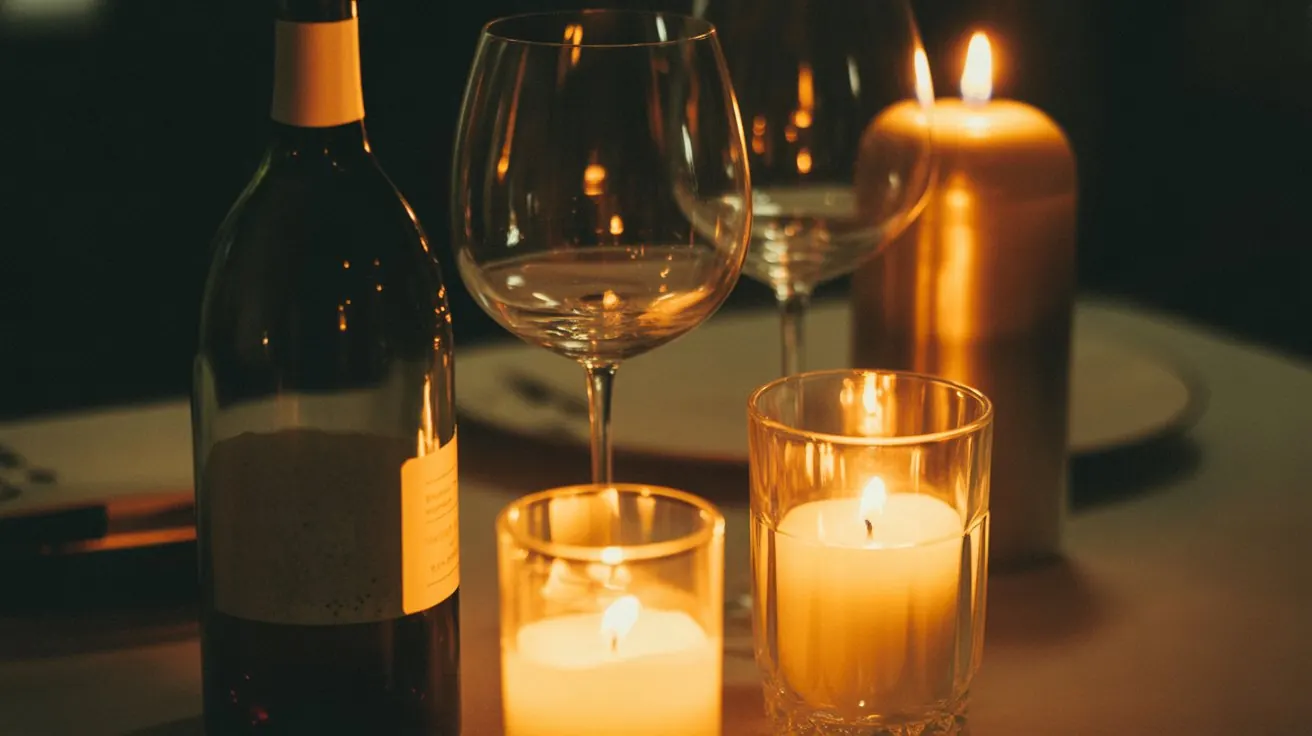
The best genres for a dinner party
Lounge and easy listening
The natural home for dinner parties: polished, unhurried, built to be background. Lounge radio at its best sounds expensive without being showy, and its tempo stays consistent enough to underpin a whole evening. 72FM Lounge is curated specifically for this purpose — one of the 72FM Mixes on 72FM, designed for exactly this kind of continuous, considered listening.
Jazz (cool and bossa nova end)
Cool jazz and bossa nova have been doing this work for sixty years, and there's a reason. The tempo is conversational — about the speed of relaxed speech. The chord colours are rich enough to sound sophisticated in a room, but the music never insists on being listened to. Brazilian stations, particularly those mixing MPB and bossa nova, are especially useful because they have an international quality that doesn't feel geographically specific to any guest's particular background.
French and European café
The French Café collection operates in a specific register: continental, atmospheric, slightly nostalgic without being clichéd. French radio stations, particularly those mixing chanson, jazz manouche and slow French pop, work beautifully for dinner party use because they carry an inherent sense of occasion without being formal.
World music and Mediterranean
For guests with broader musical curiosity, world music stations — particularly those leaning toward acoustic Mediterranean, North African, or Middle Eastern sounds — provide a warmth and distinctiveness that makes the evening feel curated without feeling like a statement. The Mediterranean Sunset collection has this character.
Late-night soul and neo-soul
For the post-dinner phase, when the evening is winding into conversation over the last of the wine, soul radio shifts the energy slightly — more intimate, warmer, a little slower. This is the phase where music can be noticed without being disruptive, because the evening is winding down anyway.
A practical guide to volume
The single most important technical decision for dinner party music is volume level. The guidance:
- Pre-dinner, getting ready: moderate — you're in the room alone, it can be higher.
- Arrival, drinks: drop it 20% from wherever you had it. The sound of conversation entering the space is the music's competitor, not its complement.
- At the table: low enough that someone speaking at a normal indoor volume doesn't have to raise it. Test this by speaking at normal volume to someone across the table before guests arrive.
- Post-dinner: you can let it drift back up slightly as the evening relaxes and people lean into conversation.
The instinct to turn music up as an evening gets louder is counterproductive — it creates a cycle where the music and conversation escalate against each other. Keep it low, and conversation finds its natural level.
Where to start on 72FM
72FM plays in any browser, no download or account required. For dinner parties specifically:
- 72FM Lounge — the 72FM Mix built for this occasion, free to play. Warm, polished, continuous.
- French Café — continental, atmospheric, and subtly distinctive without being distracting.
- Mediterranean Sunset — for evenings with a slightly warmer, more international feel.
- Jazz genre page — for browsing cool jazz and bossa nova stations across the public directory.
If you're also cooking the dinner, our radio for cooking guide covers the kitchen hours before guests arrive. The station you choose for cooking can often run straight through into the evening — the better lounge and jazz stations have a range wide enough to hold both moments.
No tier of 72FM can remove a station's own on-air commercials, so for dinner parties choose stations that don't carry them; what Premium adds is an evening without the one-hour limit. Pricing is £4.99 for 30 days or £29 for a year (as listed on 72fm.com, June 2026).
The short version
- Good dinner party radio is invisible: consistent, continuous, not personally yours.
- Follow the arc of the evening: warm lounge for pre-dinner, quiet jazz at the table, soul for late.
- Keep the volume lower than feels natural — if conversation has to compete, the music has already won.
- 72FM Lounge and French Café are the most reliable starting points.
- Radio removes the anxiety of the playlist: one choice, then three hours of the room sounding right.
Set the room before your guests arrive — browse 72FM Lounge or put on French Café while you're finishing in the kitchen. The evening will find its own level from there.