Synthwave & Retrowave Radio Online: Neon-Lit Sound
Updated

Synthwave is not 80s music — that distinction matters. It is a genre built in the 2000s and 2010s by artists reimagining an 80s that never quite existed: chrome grids, neon Lamborghinis, VHS distortion, John Carpenter horror scores, and Giorgio Moroder disco electronics all collapsed into one idealised fever dream. If you want to understand what you're hearing on a synthwave station — where it came from, what the sub-genres sound like, and when each works — this guide maps the territory. Stream free via the electronic genre page on 72FM; no download, no account required to start.
The genre that built itself online
Synthwave has an unusual origin story: it was largely assembled by artists who found each other on the internet, without a physical scene, city, or label system in the conventional sense.
The earliest markers are French. Kavinsky released his first EPs in 2006-07 — cold, cinematic electronic music with a distinct debt to Moroder. Around the same time, Justice (Gaspard Augé and Xavier de Rosnay) released their debut album † (Cross) in 2007 on the Ed Banger Records label; College, Danger, and Anoraak were adjacent. This was electro with rock energy and 80s production aesthetics rather than synthwave proper, but it set a direction.
The cleaner synthwave sound crystallised around 2010-12, largely via SoundCloud. Artists including Perturbator, Carpenter Brut, Gunship, Com Truise, S U R V I V E, and Lazerhawk were posting tracks independently, often for free. The genre had no gatekeepers and no geography — producers from France, the UK, the US, and Scandinavia developed it in parallel.
The Drive moment
Nicolas Winding Refn's film Drive (2011) and its soundtrack introduced the aesthetic to a much wider audience. Kavinsky's "Nightcall" opens the film; College's "A Real Hero" (featuring Electric Youth) accompanies its quieter scenes. Chromatics contributed "Tick of the Clock". Suddenly the sound — analogue synths, slow tempo, chrome menace — had a visual language that resonated far beyond the music's original audience.
Gaming as the other gateway
Hotline Miami (2012) arrived at the same moment and introduced the same aesthetic to a gaming audience. The soundtrack, featuring Perturbator, Jasper Byrne, Scattle, and others, brought darksynth in particular to a generation who might never have found it through music channels alone.
The influences: where the sounds come from
Synthwave is a genre of deliberate homage. Its primary influences:
Giorgio Moroder — Donna Summer's "I Feel Love" (1977), the Midnight Express soundtrack (1978), and his innovations in sequencer-driven electronic pop are the direct ancestor of the outrun aesthetic. The four-on-the-floor pulse under arpeggiated synthesisers is essentially Moroder.
John Carpenter — the American director composed his own film scores, simple and effective: Halloween (1978), The Thing (1982), Christine (1983). Their self-taught minimalism and sustained menace feed directly into darksynth.
Tangerine Dream and Jean-Michel Jarre — German and French electronic music pioneers whose sequencer patterns and cinematic scale echo through the genre. Tangerine Dream's film score work (Thief, 1981; Risky Business, 1983) is a particularly direct lineage.
Vangelis — the Blade Runner soundtrack (1982) and Chariots of Fire (1981) contribute the grandiose, searching quality of the better dreamwave and cyberpunk productions.
Italo disco — the 1980s Italian electronic dance genre (Giorgio Moroder continued; Gazebo's "I Like Chopin"; Den Harrow; Righeira) that sat between pop and electronics, and which influences the more dance-floor-adjacent end of retrowave.
Sub-genres of synthwave
Outrun
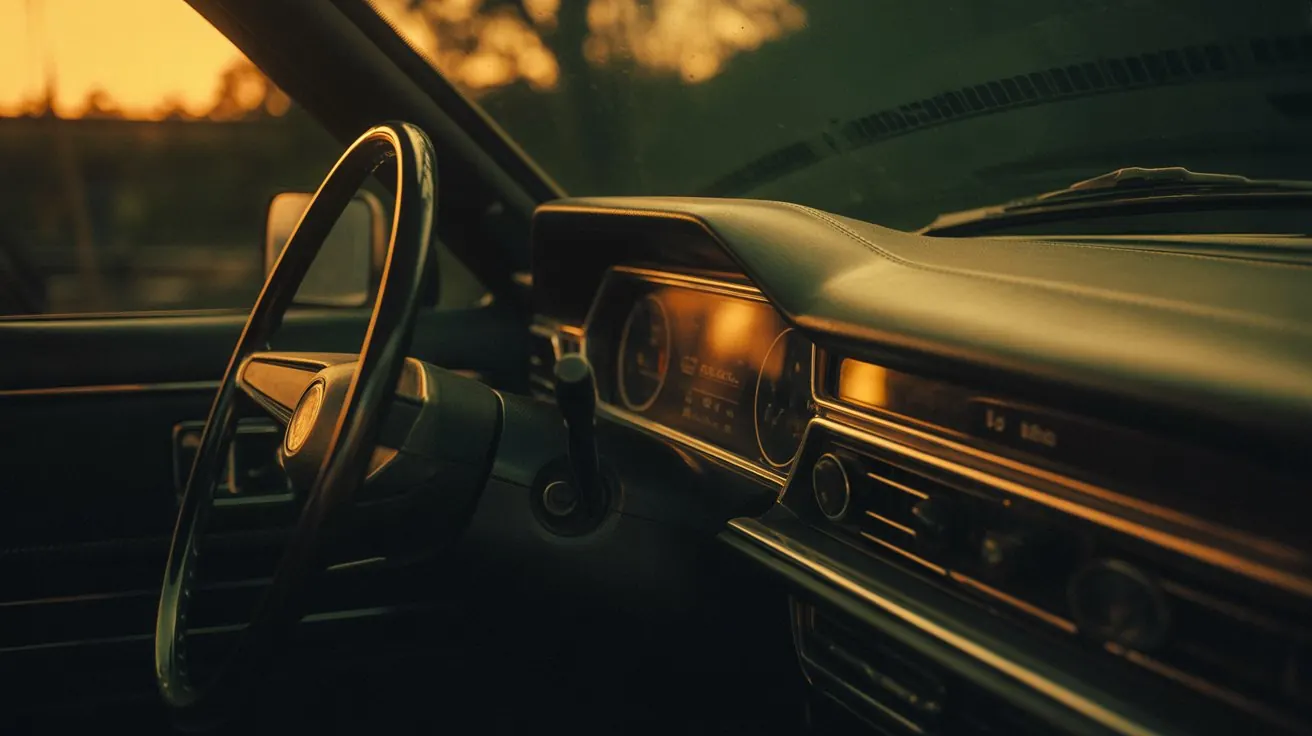
Named after Sega's 1986 arcade racing game. Optimistic, driving, wide open: the feeling of a Ferrari at sunset on a coastal road, the city in the rear-view mirror. The tempo sits around 100-120bpm. Kavinsky, Miami Nights 1984, Timecop1983.
Retrowave (classic synthwave)
The broad parent category: arpeggiated synths, gated reverb drums, bass synths, melodic leads. Gunship, The Midnight, FM-84. Nostalgic rather than menacing, often cinematic.
Darksynth
The horror wing. Heavier, more distorted, industrial-tinged. Carpenter Brut (Trilogy, 2015), Perturbator (Dangerous Days, 2014), Gost. Influenced by Carpenter's film scores and industrial metal. Works as late-night focus music for those who don't want warmth.
Dreamwave
Softer, more ambient, ethereal. The introspective end. Artists like Makeup and Vanity Set, Magic Sword. Works for reading, long walks, drifting.
Cyberpunk synth
Harder-edged, urban, dystopian. Influenced by Blade Runner and Ghost in the Shell aesthetics. Dense, layered. Connects to the tokyo-nights aesthetic on 72FM — neon-soaked Japanese cityscapes are a recurring visual reference.
Vaporwave
Related but distinct — and frequently misidentified as synthwave. Vaporwave (emerged around 2010-12: Macintosh Plus, James Ferraro) is more lo-fi, slower, more ironic; it samples and slows down 80s and 90s mall music, smooth jazz, and corporate AOR. The mood is uncanny and melancholy rather than cinematic. Aesthetically it's Windows 95 and Japanese consumer culture rather than Ferrari sunsets.
Sub-genre, feel, and when to listen
| Sub-genre | Feel | When to listen |
|---|---|---|
| Outrun | Optimistic, driving, open-road | Commutes, afternoon drives, getting started |
| Retrowave (classic) | Nostalgic, cinematic, melodic | Evening focus, long sessions, writing |
| Darksynth | Menacing, heavy, atmospheric | Late night, deep work, running |
| Dreamwave | Soft, ethereal, introspective | Reading, winding down, ambient background |
| Cyberpunk synth | Dense, urban, dystopian | Night work, mood-setting, films |
| Vaporwave | Uncanny, lo-fi, melancholy | Distracted browsing, ironic background, late afternoon |
Listening on 72FM
Synthwave sits under the broader electronic genre page on 72FM, where stations stream free in-browser — no download, no account needed to start. The tokyo-nights collection captures the Japanese urban aesthetic that feeds heavily into cyberpunk synth and dreamwave; it's a natural companion to any late-night session.
For deeper listening, the Japanese radio guide explores the real cities that supply this genre's visual imagination.
72FM Premium lifts the one-hour daily limit — which matters for genre immersion; the player has no ads or tracking on either tier. Sub-bass and high-frequency synth textures are where low bitrates show their limits.
The short version
Synthwave is the genre the internet built — assembling Moroder's sequencers, Carpenter's horror scores, Tangerine Dream's scale, and Italo disco's pulse into something that sounds like the 80s through a contemporary lens. The six sub-genres cover a wide emotional range: outrun for optimism, darksynth for menace, dreamwave for introspection. A good synthwave station does the sequencing better than a playlist — one mood, followed somewhere.
Browse electronic stations on 72FM and find the lane that fits your hour.
Frequently asked questions
What is the difference between synthwave and retrowave?
The terms are used interchangeably by most listeners. If a distinction is drawn, "retrowave" sometimes refers to the broader genre umbrella while "synthwave" describes the more purist, analogue-synth-focused strand. In practice, most radio stations and playlists use both terms to describe the same pool of music.
Is synthwave actually from the 80s?
No — this is the most common misunderstanding. Synthwave is a 2000s/2010s genre built by artists who loved 80s soundscapes and chose to create something new in that idiom. The earliest genre-defining releases were from 2006-12. Some musicians influenced by 80s artists (like John Carpenter himself) have made synthwave-adjacent records recently, but the genre is contemporary.
What is vaporwave, and is it the same as synthwave?
They're related but distinct. Vaporwave is slower, more lo-fi, and more ironic — it samples and deconstructs 80s and 90s commercial music rather than creating new material in that style. Where synthwave is earnest nostalgia, vaporwave is closer to a commentary on consumer culture. Both emerged around the same moment online.
Is synthwave good for focus and work?
The retrowave and dreamwave ends genuinely are — steady tempo, no lyrics, cinematic sweep. Darksynth can work for high-energy focus (coding, writing on a deadline). Avoid outrun if you need something genuinely calm; the driving tempo has a restlessness to it.
Do I need an account to listen to synthwave radio on 72FM?
No. The [electronic genre page](/genre/electronic) plays free in any browser without an account. You can save up to 10 favourite stations on the free tier; Premium unlocks unlimited favourites; cross-device sync comes with a free account.